ACbit – Chega! Ba Ita Learning from the Past, for A Better Future
Related Articles
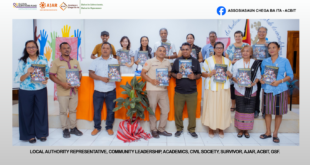
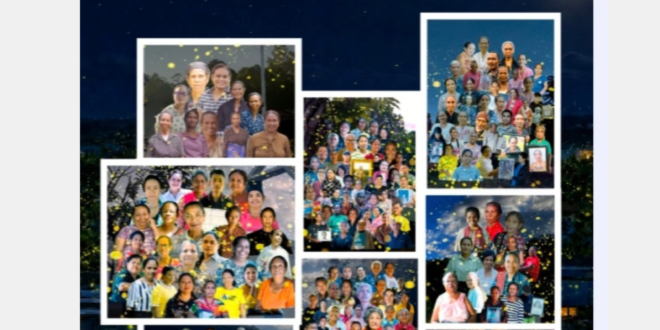
This book recounts the experiences of women and men survivors and children of war whose lives were profoundly affected by the political conflict and Indonesian military occupation of Timor-Leste from 1975 to 1999. Their experiences include arbitrary arrest, intimidation, torture, unlawful detention, forced displacement, forced marriage, sexual harassment, and sexual violence, including rape.
The term “children of war” refers to children born as a result of sexual violence, sexual slavery, and forced marriages imposed by members of the Indonesian military on women in prisons, military bases, and survivors’ homes. Women also suffered the loss of parents, siblings, relatives, and children. In many cases, children died from hunger, disease, beatings, punishment, and violence. Families also lost their homes, land, agricultural fields, livestock, and other sources of livelihood.
Book English Version:
The stories of survivors and children of war are important for present and future generations. They remind us that during conflict, women and children are often particularly vulnerable to physical and psychological violence and the loss of their livelihoods and rights. Understanding and preserving this history is essential to preventing similar violence and suffering in the future.
Although the war ended, its consequences continue. Sexual violence and other forms of abuse can continue in different forms and involve different perpetrators. Survivors and children of war continue to face discrimination, stigma, and stereotypes. Some experience difficulties obtaining baptism certificates and official RDTL documentation, accessing property and inheritance rights, and receiving recognition from the State.
The book therefore highlights the need for collective and participatory reparations. Families, communities, churches, and State institutions all have important roles in supporting survivors and children of war. Justice, health, education, and human-resource institutions should provide psychological support, healthcare, access to justice for past violations, and basic rights such as housing, food, and education. These structures must be strengthened to help survivors restore their dignity and improve their quality of life.
Survivors and children of war should also be empowered to participate actively in their own recovery. Their experiences, knowledge, strength, and testimonies are valuable contributions to society. Supporting them to share their stories and become witnesses to history can help ensure that past violations are acknowledged and not repeated.
Communities also have a responsibility to create safe and supportive environments through reconciliation. Survivors should not be treated as perpetrators or blamed for what happened to them. Instead, they should be recognized as victims and, in many cases, as people who demonstrated courage and resistance during the struggle for independence. Such recognition can help reduce stigma and discrimination. The State should take a leading role in implementing the recommendations of the Commission for Reception, Truth and Reconciliation in Timor-Leste (CAVR).
Women survivors and children of war should not be remembered only as victims who experienced suffering for many years. They are also people with resilience, knowledge, strength, and visions for the future of Timor-Leste. Their histories deserve to be documented, archived, valued, shared, and memorialized as an important part of the country’s history and struggle for independence.
Listening to their stories and recognizing their lived experiences allows society not only to remember the past but also to learn from it. By acknowledging their dignity and contributions, Timor-Leste can strengthen public awareness and contribute to a future based on peace, justice, reconciliation, equality, and respect for the human dignity of women, survivors, and children of war.